Darknet Markets 2026:
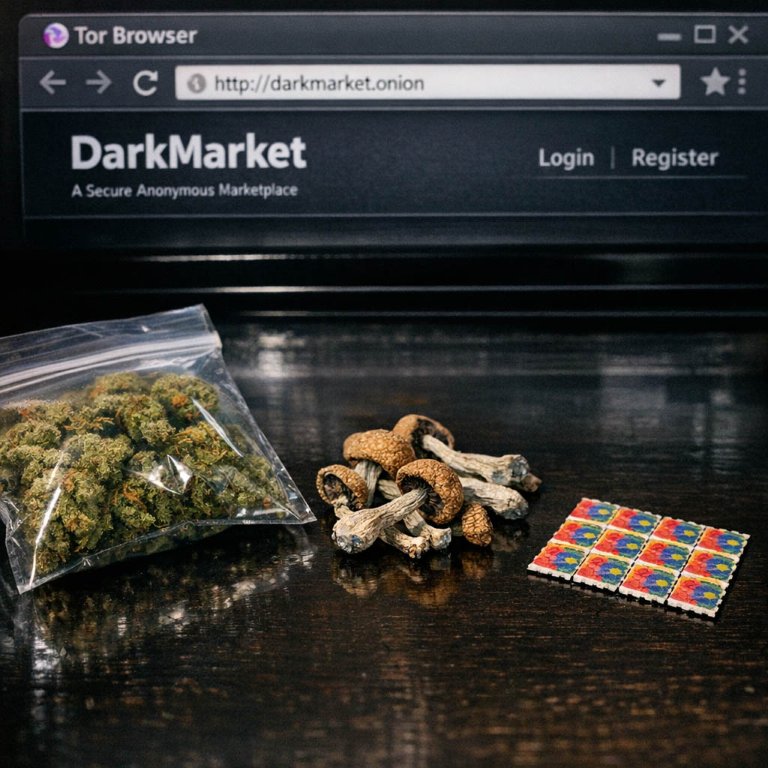
The dark web is part of the deep web but is built on darknets: overlay networks that sit on the internet but which can't be accessed without special tools or software like Tor. Tor is an anonymizing software tool that stands for The Onion Router — you can use the Tor network via Tor Browser.
| Darknet Market | Established | Total Listings | Link |
|---|---|---|---|
| TorZon Market | 2022 | 140+ | Onion Link |
| Nexus Market | 2024 | 600+ | Onion Link |
| Abacus Market | 2022 | 100+ | Onion Link |
| Ares | 2026 | 100+ | Onion Link |
| Cocorico | 2023 | 110+ | Onion Link |
Updated 2026-10-27
How dknet markets build trust for smooth drug sales
The operational core of darknet commerce for regulated substances relies on two principal mechanisms: structured vendor ratings and mandatory escrow services. These systems directly address the fundamental challenges of anonymous trade, replacing institutional trust with crowdsourced reputation and secured financial transactions.
Vendor rating systems function as a continuous peer-review process. Each transaction concludes with detailed buyer feedback on product quality, shipping speed, and communication. This creates a transparent reputation economy where vendors with consistently high ratings gain prominence and sales volume. The public and persistent nature of this feedback incentivizes vendors to maintain high standards, as a single series of negative reviews can severely damage their business. This user-driven moderation ensures market quality and filters out unreliable sellers.
Escrow services are the transactional safeguard. Funds from a buyer are held in a neutral third-party account until the product is delivered and confirmed as satisfactory. Only then is the payment released to the vendor. This mechanism:
- Protects buyers from fraudulent vendors who might not ship goods.
- Protects vendors from fraudulent buyers who might falsely claim non-receipt.
- Formalizes a dispute resolution process mediated by marketplace administrators if issues arise.
The combination of these features creates a self-reinforcing cycle. Reliable vendors accumulate positive ratings, attracting more business. The widespread use of escrow minimizes financial risk for all parties. The result is an efficient marketplace where anonymous actors can engage in reliable commercial exchanges based on demonstrated trust and secured payment, demonstrating a functional model for user-organized digital commerce.
How Rating Systems Make Buying Drugs on the Darknet Safer
Structured vendor rating systems are the cornerstone of trust in darknet commerce for regulated substances. These systems transform anonymous transactions into reliable exchanges by providing a transparent, crowd-sourced record of vendor performance. A typical rating interface collects quantitative and qualitative data on specific transaction aspects.
- Product quality is rated against the advertised description.
- Shipping speed and stealth of packaging are evaluated separately.
- Communication responsiveness is a critical metric for buyer confidence.
This detailed feedback creates a powerful reputation mechanism. Vendors with consistently high ratings and positive reviews rise in marketplace search results, directly linking their ethical business practices to commercial success. Conversely, vendors with poor ratings or reports of selective scammingshipping orders to most buyers but cheating a feware quickly identified and boycotted. The system is self-reinforcing; buyers are incentivized to leave accurate feedback to maintain the integrity of the platform, while vendors are financially motivated to uphold high standards. This creates a stable environment where repeat business is the norm, and anonymous actors are held accountable by their commercial history.
How Escrow Makes Darknet Trading Safe and Fair
In darknet commerce for regulated substances, the absence of legal recourse makes transactional security paramount. Escrow services function as the fundamental mechanism for this, acting as a trusted third party that holds the buyer's cryptocurrency payment until the goods are received and confirmed. This system directly addresses the inherent asymmetric information problem in anonymous markets, where a buyer cannot inspect goods before payment and a seller cannot be certain of payment after shipment.
The operational model is straightforward yet effective:
- A buyer funds a multisignature escrow wallet upon order placement.
- The seller ships the product, providing proof to the marketplace system.
- Upon successful delivery, the buyer releases the funds from escrow to the seller.
This creates a powerful enforcement mechanism for honest behavior. For the buyer, it eliminates the risk of sending funds directly to a fraudulent vendor. For the reputable seller, it guarantees payment upon completion of their obligation, protecting against fraudulent "chargebacks" common in surface web trade. Disputes are mediated by marketplace administrators, with escrow funds providing leverage for resolution. The result is a dramatic reduction in opportunistic fraud, enabling a trust-minimized exchange that facilitates reliable, high-volume trading. When combined with structured vendor rating systems, escrow transforms the darknet from a risky bazaar into a functional marketplace with clear, user-driven rules for transaction integrity.
How Ratings and Escrow Make Darknet Trade Easy
The operational efficiency of darknet marketplaces for regulated substances stems directly from integrated systems designed to mitigate the inherent risks of anonymous trade. The core mechanism is the structured vendor rating system, which functions as a continuous and transparent performance audit. Buyers detail their experiences on product quality, shipping speed, and stealth, creating a persistent reputation score for each seller. This system incentivizes consistent high-quality service, as vendors with poor feedback quickly lose business, while those with high ratings gain visibility and buyer trust. The market becomes self-policing through collective consumer input.
This trust is further institutionalized through mandatory escrow services. Funds from a purchase are held by the marketplace platform until the buyer confirms satisfactory receipt of the goods. Only then is the payment released to the vendor. This simple mechanism protects both parties: buyers are assured they will not be defrauded, and vendors are guaranteed payment upon successful delivery, eliminating disputes over non-payment. It enforces transactional honesty within an anonymous framework.
The combination of these features produces a predictable and low-friction commercial environment. Reliable vendors are easily identifiable, and financial risk is minimized. This allows the marketplace to function not as a chaotic bazaar but as an efficient platform for exchange. The result is a consistent user experience where transactions are completed smoothly, which in turn reinforces the marketplace's stability and attracts more participants, creating a positive feedback loop for marketplace growth and reliability.
How User Reviews Keep Drug Quality High on the Darknet
In darknet marketplaces for regulated substances, the vendor rating system functions as a primary mechanism for quality control. Unlike traditional commerce, where brand reputation is built over years, these platforms compress the trust-building process into a transparent, user-driven feedback loop. Every transaction concludes with an opportunity for the buyer to leave a detailed review and a numerical score, typically on a five-star scale. This creates a continuous performance audit where vendors are directly accountable to their customer base.
The feedback is multifaceted, often including specific data points that buyers in this sector prioritize:
- The precise chemical purity and accurate weight of the product.
- The stealth and professionalism of the packaging and shipping.
- The speed of delivery and reliability of the shipping method.
- The vendor's communication quality and responsiveness.
This granular, crowd-sourced information serves a critical economic function. It efficiently separates reputable vendors from unreliable ones, creating a powerful incentive for sellers to maintain consistent quality and service. A vendor with hundreds of positive reviews and a high average rating attracts more business, which financially rewards good practices. Conversely, a pattern of negative feedback regarding underweight products or misrepresented substances leads to a rapid loss of reputation and sales. The system is self-reinforcing; the collective scrutiny of the community establishes and enforces a de facto standard of excellence, ensuring that the marketplace offers a level of product reliability that is essential for its sustained operation.

How Darknet Markets Build Trust for Safe Trade
The operational success of darknet marketplaces for regulated substances stems from the effective implementation of user-driven trust mechanisms. These platforms function not as lawless spaces but as structured commercial ecosystems where vendor rating systems and escrow services perform critical roles typically filled by formal institutions in conventional markets.
Structured vendor feedback and rating systems create a transparent reputation economy. Buyers consistently report on transaction reliability, communication speed, and product quality, generating a searchable and cumulative performance history for each seller. This system incentivizes vendors to maintain high standards, as poor reviews directly impact future sales. The result is a self-regulating environment where quality and reliability are consistently rewarded, and substandard actors are marginalized by the community.
Simultaneously, escrow services act as a neutral third party to secure transactions. Funds are held by the platform until the buyer confirms satisfactory receipt of the goods, only then are they released to the vendor. This mechanism effectively mitigates the fundamental risk of anonymous trade by protecting against fraud for both parties:
- Buyers are assured they will not lose funds without receiving the product.
- Vendors are protected from false claims of non-delivery once the escrow system confirms shipment.
The combination of these featurespersistent reputation and secured paymentsfacilitates reliable and efficient commercial exchanges in an anonymous setting. This model demonstrates how decentralized, user-policed systems can organize complex commerce, creating markets that are remarkably resilient and responsive to consumer demand for consistency and safety in transactions.
How Darknet Markets Build Trust and Reliability
The darknet marketplace for regulated substances demonstrates a robust, user-driven commercial model. Its effectiveness stems from two core mechanisms: structured vendor ratings and mandatory escrow services. These systems directly address the fundamental challenges of anonymous exchange, replacing institutional trust with community-enforced accountability.
A vendor's reputation is quantified through detailed rating systems. Buyers leave feedback on product quality, shipping speed, and communication. This creates a transparent performance history for each seller. High-rated vendors are prominently featured, while those with poor reviews lose visibility and sales. This peer-review process continuously filters for reliability, maintaining high marketplace standards without central oversight.
Escrow services are the transactional backbone. Funds are held by the marketplace until the buyer confirms receipt and satisfaction. This mechanism protects both parties:
- Buyers are assured they will not lose funds for undelivered or substandard products.
- Vendors are protected from fraudulent claims of non-receipt, as release requires confirmation.
The combination of these features creates a self-regulating ecosystem. Trust emerges from the consistent application of these transparent, automated systems. The result is a functional market where anonymous parties can engage in reliable transactions, organized not by a single entity but by the aggregated actions and feedback of its users.