Darknet Markets 2026:
The dark web is part of the deep web but is built on darknets: overlay networks that sit on the internet but which can't be accessed without special tools or software like Tor. Tor is an anonymizing software tool that stands for The Onion Router — you can use the Tor network via Tor Browser.
| Darknet Market | Established | Total Listings | Link |
|---|---|---|---|
| TorZon Market | 2022 | 140+ | Onion Link |
| Nexus Market | 2024 | 600+ | Onion Link |
| Abacus Market | 2022 | 100+ | Onion Link |
| Ares | 2026 | 100+ | Onion Link |
| Cocorico | 2023 | 110+ | Onion Link |
Updated 2026-10-27
Getting a Good Darknet Link for Safer Shopping
Access to a functional darknet market URL is the primary step for engaging with these platforms. These addresses, often ending in .onion, are not indexed by standard search engines and change frequently due to DDoS attacks or administrative actions. Users typically rely on specialized link aggregators and community forums to find verified, current URLs. These directories rank markets based on uptime and user feedback, providing a list of active gateways. The process of finding a reliable URL involves cross-referencing multiple sources to avoid phishing sites, which are designed to steal user credentials and funds. A legitimate darknet market will use PGP verification for its official mirrors, allowing users to cryptographically confirm they are visiting the authentic site and not a fraudulent copy.
Once a stable URL is secured, evaluating the market's vendor base is critical. A mature platform features a diverse range of trusted vendors with established histories. Vendor reputation is quantified through a transparent feedback system where past transactions are rated on metrics like product quality, shipping speed, and stealth. High-volume vendors with thousands of positive reviews and a low dispute rate generally offer more consistent service. Buyers should analyze a vendor's profile for:
- Detailed feedback comments over several months.
- Consistency in listed substances and their described purity.
- Clear communication and professional operation.
This ecosystem of peer review creates a self-regulating environment where reliability is incentivized, and poor performance is quickly reflected in a vendor's standing, reducing the risk for buyers seeking anonymous shopping.
What a Darknet Offers: Safe Shopping for Drugs and More
The primary function of a darknet market is to facilitate the trade of goods and services with a strong emphasis on anonymity and security. These platforms operate as multi-vendor marketplaces, similar in structure to conventional e-commerce sites, but are accessed via specialized software like Tor. The inventory is vast and categorized, with pharmaceuticals and psychoactive substances representing a significant portion of available listings. These items are often detailed with information regarding source, purity, and expected effects, providing a level of product transparency that is difficult to find elsewhere.
Beyond this, a darknet market URL provides access to a wider ecosystem of digital and physical goods. Common categories include:
- Digital products such as software licenses, security tools, and access credentials.
- Various forms of counterfeit currency and documents.
- Consultation services for cybersecurity and digital privacy.
The operational security of these markets relies on advanced cryptographic protocols. Financial transactions are conducted using cryptocurrencies like Bitcoin or Monero, which provide a layer of financial privacy. Furthermore, communications and order details are protected through end-to-end encryption, ensuring that only the intended vendor and buyer can read the contents. Many markets also implement an escrow service, where funds are held by the platform until the buyer confirms satisfactory receipt of the goods, thereby reducing the risk of fraudulent transactions.
How Anonymity and Encryption Make Shopping on the Darknet Safe
The operational security of a darknet market is fundamentally dependent on a layered approach to anonymity and encryption. This system begins with the user's own setup, specifically the use of the Tor Browser. Tor routes internet traffic through a global network of volunteer-run servers, encrypting the data multiple times and masking the user's original IP address. This makes it exceptionally difficult for any external observer to trace online activity back to a physical location or identity.
Once a user accesses a legitimate darknet market URL, the platform's internal security measures take over. All communication between the user and the market is secured with end-to-end encryption, typically via SSL/TLS certificates. This creates a secure tunnel where sensitive data, such as login credentials and private messages, is protected from interception. The market itself only handles encrypted data, ensuring that even its administrators cannot easily read private communications between buyers and vendors.
Financial transactions are secured through the use of cryptocurrencies like Bitcoin or Monero. These provide a layer of financial anonymity by separating the transaction from real-world identities. While Bitcoin transactions are public on its blockchain, they are tied to wallet addresses, not names. For enhanced privacy, many users employ tumbling services or prefer privacy-centric coins like Monero, which obfuscate transaction details by default. This financial encryption is a critical component, as it prevents payment trails from leading directly to a user.
The final layer involves operational security in communication and order fulfillment. Buyers and vendors use PGP encryption for all sensitive data exchange. When placing an order, a buyer encrypts their delivery address with the vendor's public PGP key. Only the vendor, with their private key, can decrypt this information. This means the market platform never has access to the unencrypted, plaintext address, decentralizing the risk and ensuring that a compromise of the market's database does not automatically lead to a compromise of user shipping details.

Direct Deals Make Darknet Drug Trade Safer and More Reliable
Direct user-to-user transactions, often called direct deals or friend-to-friend sales, represent a fundamental evolution in darknet commerce. This method bypasses the central market platform entirely, creating a peer-to-peer (P2P) ecosystem. The process typically initiates after a buyer and vendor establish a trusted relationship through successful transactions on a public market. They then migrate their communication and trade to encrypted messaging services, using cryptocurrency wallets for payment.
The primary advantage is enhanced operational security. By eliminating the market platform as an intermediary, both parties reduce their digital footprint. There is no central listing to scrape, no market escrow to compromise, and no platform-wide seizure event that can disrupt the transaction. This model fosters long-term business relationships and repeat customers, as the vendor gains a stable clientele and the buyer receives consistent product quality and personalized service.
For this system to function, reputation is the sole currency. Vendors build their reputation on public markets precisely to facilitate this eventual move to direct sales. A buyer's decision to engage in a direct deal is a direct analysis of a vendor's historical metrics:
- Consistent positive feedback on product quality and stealth.
- Reliable shipping times and communication.
- A long-standing vendor account with a high transaction count.
This transition from platform-mediated to direct trade demonstrates a mature market behavior. It signifies a shift from one-time purchases to sustained commercial relationships, underpinned by cryptographic tools and the immutable reputation data accrued on the darknet market profile.
How a Stable Darknet Builds Trust for Safer Trade
Market stability is the primary factor in establishing trust within a darknet ecosystem. A reliable darknet market URL that remains accessible over extended periods indicates robust operational security and administrative competence. This longevity directly reduces risk for both buyers and trusted vendors, as it allows for the development of consistent transactional histories and reputation metrics.
Stable platforms facilitate the accumulation of verifiable feedback. A vendor with thousands of completed transactions and a high rating over several years is inherently more trustworthy than one on a new, volatile platform. This environment enables safe anonymous shopping by providing a predictable framework where the rules of engagementsuch as escrow use and dispute resolutionare clear and consistently enforced.
The technical infrastructure of a stable market also reinforces security. Persistent markets invest in stronger encryption, more resilient hosting, and improved user interface design, which minimizes operational errors that could compromise anonymity. This creates a positive feedback loop: stability attracts more reputable vendors and experienced buyers, whose continued participation further solidifies the market's reputation and operational security, making it a preferred destination for secure commerce.

How to Check a Darknet Vendor's Reputation
Evaluating a vendor's reputation is a fundamental step in the darknet shopping process. This analysis directly impacts transaction success and product quality. The system relies on user-generated feedback, similar to conventional e-commerce, but with greater emphasis on cryptographic verification and consistent performance.
Potential buyers should first examine the vendor's public profile. Key metrics include the number of completed transactions and the length of time the vendor has been active on the platform. A long-standing presence with a high transaction count indicates market stability and operational reliability.
User reviews and ratings form the core of reputation assessment. It is necessary to read both positive and negative feedback. Detailed reviews describing product quality, shipping speed, and communication are more valuable than brief comments. A pattern of positive reviews over several months establishes credibility.
Many platforms implement a trust level or badge system. These visual indicators are earned by maintaining high ratings, honoring escrow agreements, and shipping orders reliably. Vendors with these badges have demonstrated a consistent record, reducing perceived risk for new customers.
Direct communication prior to purchase is also informative. A reputable vendor typically responds promptly and professionally. This interaction can clarify product specifics or shipping details, further establishing the vendor's commitment to service. The entire reputation system functions as a decentralized mechanism for quality assurance, enabling informed purchasing decisions within the darknet ecosystem.
How Escrow Makes Buying Safer on the Darknet
Escrow services function as a neutral third-party that holds the buyer's payment until the transaction is successfully completed. This mechanism directly addresses the inherent trust deficit in anonymous environments. When a buyer selects a product, the cryptocurrency is sent to the market's escrow system, not directly to the vendor. The vendor sees the secured payment and ships the order.
The funds are only released to the vendor after the buyer confirms receipt and satisfactory quality of the product. This process is automated by the market's software, creating a balanced incentive structure. Vendors are motivated to provide quality products and reliable shipping to receive their funds, while buyers are assured they will not lose money to scams. A robust escrow system is a primary feature of a stable darknet market, and its presence is a critical factor when evaluating a darknet market URL for safety. It transforms a potentially risky direct exchange into a moderated transaction, building the trust and stability necessary for consistent commercial activity.
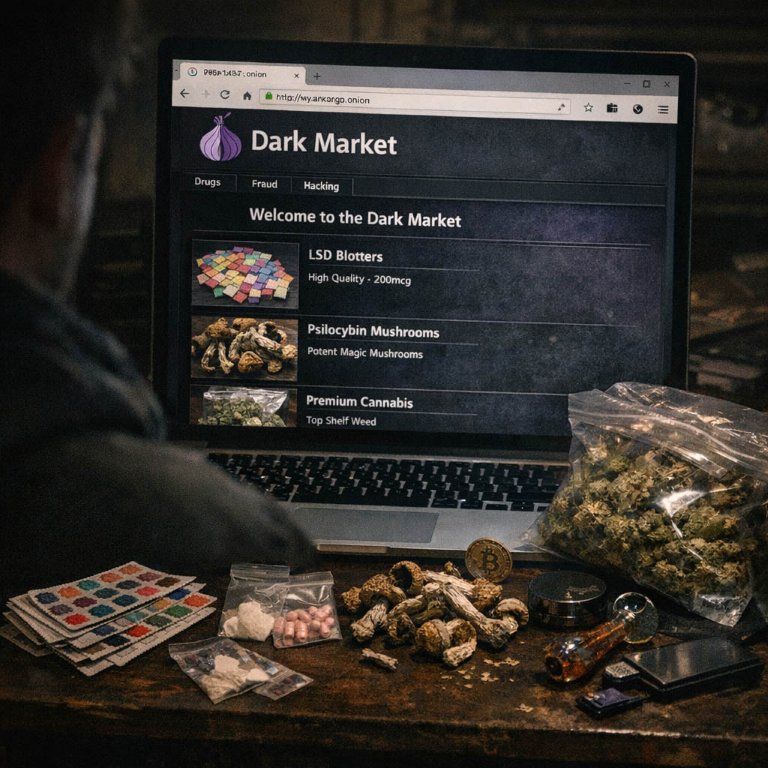
How a Good Darknet Site Makes Buying Drugs Easy and Safe
The user experience on a leading darknet market is defined by its functional design and operational clarity. A well-structured platform facilitates efficient navigation from the moment a user accesses a verified darknet market URL. The interface typically categorizes products logically, allowing for straightforward browsing and the use of search filters. This design minimizes user error and streamlines the process of finding specific items or trusted vendors.
Vendor profiles are central to the experience. These pages consolidate critical data, presenting a vendor's history, product range, and most importantly, their reputation score and feedback history. Potential buyers analyze this information to assess reliability. Positive feedback across a high volume of transactions signals a consistent vendor, which directly influences purchasing decisions and builds marketplace trust.
The transaction process integrates security measures seamlessly. Purchases are typically placed in escrow by default, holding the cryptocurrency until the buyer confirms satisfactory receipt of the product. This system protects both parties and is a standard feature on stable platforms. Direct communication channels between buyer and vendor, often through encrypted messaging, allow for order clarification and customer service without compromising anonymity.
Finalizing a transaction involves releasing funds from escrow and optionally leaving feedback. This feedback loop is essential; it maintains the market's self-regulating nature and continuously updates the reputation metrics for vendors. A platform that consistently provides this coherent, secure, and user-focused environment naturally attracts and retains a loyal user base, reinforcing its position as a preferred destination for anonymous commerce.