Darknet Markets 2026:
The dark web is part of the deep web but is built on darknets: overlay networks that sit on the internet but which can't be accessed without special tools or software like Tor. Tor is an anonymizing software tool that stands for The Onion Router — you can use the Tor network via Tor Browser.
| Darknet Market | Established | Total Listings | Link |
|---|---|---|---|
| TorZon Market | 2022 | 140+ | Onion Link |
| Nexus Market | 2024 | 600+ | Onion Link |
| Abacus Market | 2022 | 100+ | Onion Link |
| Ares | 2026 | 100+ | Onion Link |
| Cocorico | 2023 | 110+ | Onion Link |
Updated 2026-10-27
How the darknet makes buying drugs safe and easy
A modern darknet market streamlines the acquisition of substances by integrating established e-commerce principles into a privacy-focused environment. The process begins with a user accessing the platform through the Tor browser, which anonymizes their connection. Upon entry, they encounter a familiar interface: a searchable catalog organized by substance type, region, and vendor.
The security of a transaction is multi-layered. Cryptocurrency, primarily Bitcoin or Monero, serves as the payment method, providing a fast and pseudonymous transfer of funds. To mitigate the inherent risk of trading with strangers, the market employs a mandatory escrow system. The buyer's payment is held by the market's software until the order is confirmed as received, at which point it is automatically released to the vendor. This mechanism powerfully aligns the vendor's incentive with honest fulfillment.
Further reducing uncertainty is a transparent feedback and rating system. Each vendor profile displays detailed metrics:
- Average product rating out of five stars
- Number of completed transactions
- Percentage of positive feedback from buyers
- Detailed written reviews describing product quality and shipping
This accumulated data allows buyers to make informed decisions based on peer experiences. All negotiations and order details are handled via encrypted messaging on the platform, keeping communications confidential and tied to the transaction record. The entire model is user-driven, where vendor reputation and customer satisfaction become the primary currencies for commercial success, fostering a self-regulating and efficient marketplace.
How Crypto Makes Buying on the Darknet Private and Quick
The operational backbone of a modern darknet market is its financial system, which relies on cryptocurrencies like Bitcoin and Monero. These digital currencies provide a level of privacy and transactional speed unattainable through traditional banking. Payments are processed directly between buyer and vendor wallets, bypassing financial institutions that would typically monitor and restrict such activities.
This method offers several distinct advantages:
- Transactions are pseudonymous, as they are not directly linked to real-world identities but to cryptographic addresses.
- Transfers are borderless and fast, often confirming within minutes, regardless of the geographical location of the parties involved.
- The use of cryptocurrency tumbler services or privacy-focused coins like Monero adds an additional layer of financial obfuscation, further separating the transaction from its source.
The integration of cryptocurrency payments automates the final step of the purchasing process. Once funds are deposited into the market's escrow system, the vendor is notified to ship the product. This creates a seamless and efficient commercial loop where financial privacy is not an added feature but a fundamental design principle of the platform's architecture.
How Escrow Makes Darknet Deals Safe and Reliable
Escrow services are the fundamental mechanism that enables secure transactions on a darknet market. They act as a neutral third party, holding the buyer's cryptocurrency payment until the ordered goods are received and confirmed. This system directly addresses the inherent lack of trust in anonymous environments, preventing common fraud scenarios where a vendor might accept payment and not ship the product, or a buyer might falsely claim non-receipt to get a refund.
The process is automated and transparent. When an order is placed, funds are moved into the market's escrow wallet. The vendor sees the secured payment and is incentivized to ship the product promptly. Only after the buyer marks the order as finalized are the funds released to the vendor. For disputes, most platforms offer a moderated resolution system where both parties provide evidence, such as encrypted tracking numbers, to an impartial market moderator. This creates a balanced ecosystem where both parties are protected, fostering reliable and repeat business.
The effectiveness of escrow is amplified when combined with other market features:
- It secures the financial aspect of a transaction, allowing vendor ratings to accurately reflect product quality and shipping speed rather than mere reliability.
- It reduces the need for risky direct deals outside the platform, keeping all transactions within the market's protected environment.
- It establishes a clear, rule-based framework for commerce, which is essential for the long-term stability and reputation of any trading platform.
By mechanically enforcing fair exchange, escrow transforms the darknet from a mere collection of listings into a functional, self-regulating marketplace where secure trade is not an exception but the standard operating procedure.
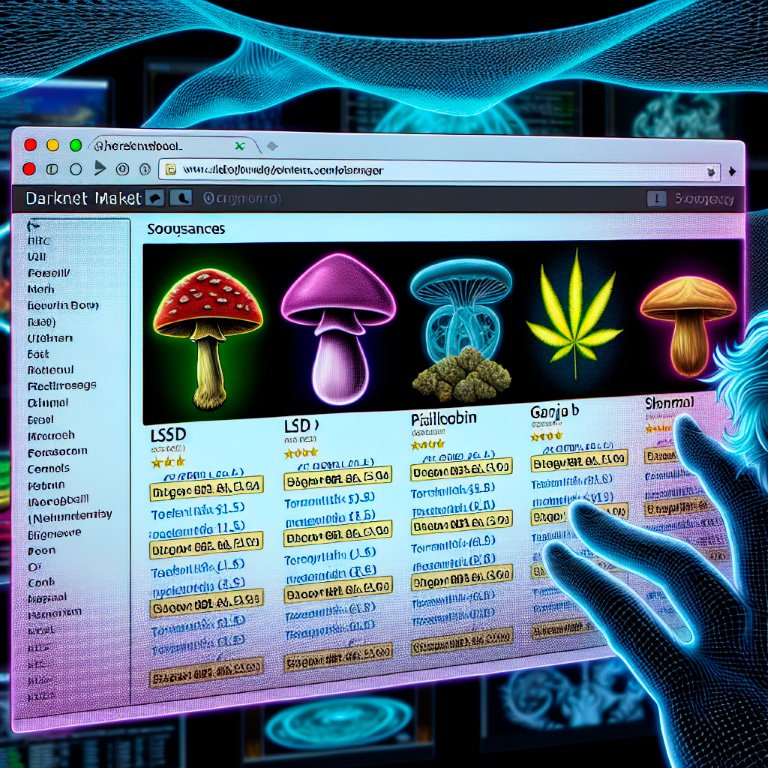
How Ratings Make Darknet Shopping Safer
Vendor rating systems are a foundational component of modern darknet markets, transforming anonymous transactions into a structured and reliable commercial process. These systems function as a decentralized form of quality control, where the collective experience of the buyer community directly shapes market reputation. Every completed transaction typically allows the buyer to leave detailed feedback across several key metrics.
This feedback usually includes:
- Product quality relative to its description
- The speed and discretion of shipping
- The clarity and professionalism of communication
- The overall satisfaction with the transaction
The aggregation of this data into a public vendor score creates a powerful self-regulating mechanism. A vendor with a high rating and hundreds of positive reviews establishes a track record of reliability. This reduces the inherent risk for new buyers, as they are not relying on promises but on verifiable historical performance. The system incentivizes consistent, high-quality service, as vendors protect their reputationtheir most valuable asset on the platform. Conversely, a declining rating or a pattern of specific complaints in review text offers clear, crowd-sourced warnings. This environment allows buyers to make informed choices based on empirical data rather than chance, elevating the entire marketplace's efficiency and trustworthiness.
Private Messaging for Safe Darknet Trade
The operational security of a modern darknet market relies fundamentally on end-to-end encryption for all messaging. This technology ensures that conversations between a buyer and a vendor remain strictly confidential, readable only by the intended parties. The market's platform acts merely as a carrier for the encrypted data, lacking the technical capability to decipher the contents of the messages.
This system directly addresses the primary concern of privacy in an online transaction. Users discuss product specifics, shipping details, and other sensitive information without fear of interception or surveillance. The encryption protocols employed are typically open-source and well-audited, providing a verifiable layer of security rather than relying on obscurity.
The practical effect is the creation of a secure communication channel that mirrors the discretion of a private, in-person conversation. This allows for clear negotiation and customer service, which are essential for smooth commerce, while maintaining the anonymity that defines the darknet environment. The integrity of these private discussions reinforces the overall trust in the market's framework, making the process of acquiring goods straightforward and secure for the user.
How Customer Reviews Make Darknet Markets Reliable
The operational framework of a modern darknet market is fundamentally structured around the principle of customer-centric service. This model directly addresses the historical vulnerabilities of unregulated street transactions by implementing systems familiar from legitimate e-commerce. The mechanism is driven by transparent feedback loops where buyer reviews dictate vendor success.
Vendors build their reputation through consistent performance, measured by detailed rating systems for product quality, shipping speed, and stealth. A vendor with hundreds of positive reviews and a high score achieves a trusted seller status, which increases their visibility and sales. This creates a powerful incentive for vendors to maintain high standards and resolve any issues proactively, as a single unresolved dispute or a series of negative ratings can severely damage their business prospects.
The escrow service is central to enforcing this model. Funds are held by the market until the buyer confirms satisfactory receipt of the product. This shifts power to the buyer and eliminates the risk of payment without delivery. Disputes can be mediated by market administrators, with outcomes often influenced by the documented communication and the historical reputation of the involved parties. The system's efficiency is evidenced by its self-regulating nature:
- High-performing vendors thrive and receive more orders.
- Buyers gain access to reliable information and financial protection.
- Markets that fail to enforce these standards lose users to competitors.
How Darknet Markets Build Trust and Quality
The operational model of a modern darknet market is a direct response to the inefficiencies and dangers of traditional street-level drug trade. It functions as a self-regulating commercial ecosystem where the mechanisms for security, trust, and satisfaction are built into the platform's design, removing the need for external oversight. This internal regulation is not imposed by a central authority but emerges from the interaction of its core components: cryptocurrency, escrow services, and a reputation system.
Transactions are conducted using cryptocurrency, which provides immediate settlement and financial privacy. The escrow system acts as a neutral third party, holding the buyer's funds until the product is received and confirmed. This simple mechanism aligns the interests of both parties, as the vendor is incentivized to deliver quality products to receive payment. The reputation system, built on consistent and transparent user feedback, provides a powerful metric for quality control. Vendors with high ratings and many completed sales have a tangible financial interest in maintaining their standing, which discourages scams and promotes consistent product quality.
The result is a streamlined process:
- A buyer selects a product from a vendor with a proven track record.
- Funds are secured in escrow, guaranteeing the buyer's safety.
- Communication is encrypted, ensuring privacy.
- Upon successful delivery, the funds are released, and the buyer leaves feedback, reinforcing the system's integrity.
This cycle creates a positive feedback loop where successful transactions reinforce trust and efficiency. High-rated vendors gain more business, buyers experience reduced risk, and the market as a whole becomes more stable and reliable. The system's efficiency lies in its ability to autonomously penalize bad actors through lost sales and reward ethical vendors with economic success, creating a secure and user-driven environment for commerce.