Darknet Markets 2026:
The dark web is part of the deep web but is built on darknets: overlay networks that sit on the internet but which can't be accessed without special tools or software like Tor. Tor is an anonymizing software tool that stands for The Onion Router — you can use the Tor network via Tor Browser.
| Darknet Market | Established | Total Listings | Link |
|---|---|---|---|
| TorZon Market | 2022 | 140+ | Onion Link |
| Nexus Market | 2024 | 600+ | Onion Link |
| Abacus Market | 2022 | 100+ | Onion Link |
| Ares | 2026 | 100+ | Onion Link |
| Cocorico | 2023 | 110+ | Onion Link |
Updated 2026-10-27
Bitcoin Makes Buying Drugs on the Darknet Safe and Easy
The adoption of Bitcoin as the primary medium of exchange on the darknet has established a robust framework for commerce that prioritizes safety and privacy for all participants. This system functions effectively because it addresses fundamental limitations of traditional financial networks. Bitcoin's pseudonymous nature allows users to engage in transactions without directly linking their real-world identity to their financial activity. This layer of privacy is a foundational component for secure trade.
The architecture of darknet markets further enhances security through structured systems. These platforms operate as self-contained ecosystems with built-in mechanisms for trust and dispute resolution.
- Escrow services hold a buyer's Bitcoin payment until the product is received and confirmed, protecting the consumer from fraud.
- Detailed user review systems create accountability, allowing vendors to build reputations based on product quality and reliable service.
- Direct peer-to-peer transactions are enabled without the need for banking intermediaries, reducing costs and eliminating financial censorship.
This combination of cryptographic currency and market design results in a functional economic model. Transactions are recorded on the public blockchain, providing a transparent and immutable ledger of exchange, while the identities of the parties involved remain protected. The outcome is an efficient marketplace where individuals can conduct private commerce based on mutual agreement and verified trust metrics, free from external interference.
How Bitcoin's Privacy Makes Darknet Trade Safe and Easy
The operational foundation of darknet commerce is a secure and private transaction layer, which Bitcoin provides through its cryptographic architecture. Unlike traditional financial systems, Bitcoin transactions do not require the disclosure of personal identities. Users interact using cryptographically generated addresses, which function as pseudonyms. This separation between real-world identity and transactional activity is fundamental, allowing parties to engage in commerce without exposing sensitive personal data to intermediaries or counterparties.
The blockchain's role as a public yet pseudonymous ledger further supports this model. While all transactions are recorded and verifiable by anyone, they are linked only to these Bitcoin addresses. This creates a system of transparent privacy; the network's integrity and the finality of payments are publicly assured, while the parties behind each address remain obscured. This design directly enables the trust required for trade, as it removes the need for a central authority to validate participants' identities, shifting trust to the protocol's mathematical guarantees.
For darknet markets, this translates into a functional economic environment. The process is streamlined:
- A buyer selects goods and sends payment to a market-controlled escrow address.
- The seller is notified and dispatches the product.
- Upon confirmation of receipt, the escrow releases the Bitcoin to the seller.
How Bitcoin Makes Buying Medicine on the Darknet Easy and Secure
The use of Bitcoin on darknet markets has established a functional framework for the private acquisition of pharmaceuticals. This system operates on principles of cryptographic security and peer-to-peer exchange, effectively removing traditional intermediaries. The blockchain serves as a public but pseudonymous ledger, where transactions are recorded without directly linking to real-world identities. This provides a layer of privacy for consumers seeking products outside conventional channels.
Market platforms integrate several mechanisms to ensure transactional reliability. The escrow service is fundamental, holding the buyer's bitcoin payment until the product is received and verified. This protects both parties from fraud. Furthermore, a robust user review and rating system creates a self-regulating environment. Vendors build reputations based on product quality and service, allowing buyers to make informed decisions based on community feedback. This model facilitates commerce based on demonstrated trust and performance rather than unverified claims.
The resulting ecosystem demonstrates a viable economic model. It offers:
- Direct access to a global marketplace.
- Transactions secured by cryptographic proof rather than institutional trust.
- A competitive environment where vendor reputation is a key asset.

How Blockchain's Public Ledger Supports Secure Darknet Trade
The blockchain's function as an immutable, public ledger is foundational to the secure economic model of darknet commerce. While every Bitcoin transaction is permanently recorded and visible, this transparency operates at the network level, not the personal. The ledger records cryptographic addresses and amounts, not the identities behind them. This creates a system of verified scarcity and proof-of-work that underpins the currency's value, enabling participants to trust the monetary system itself without trusting any central issuer.
This public record facilitates secure trade by providing an irrefutable, timestamped log of financial interactions. When a buyer sends payment to a marketplace's escrow address, that transaction is confirmed and appended to the blockchain. Both parties can independently verify the payment's existence and completion, which is crucial for enforcing agreements. The decentralized nature of this record-keeping means no single entity can alter transaction history or freeze funds, protecting both merchants and consumers from arbitrary financial interference. The system's resilience and transparency at the protocol level enable a self-regulating marketplace where trust is built through cryptographic proof and repeated successful interactions, rather than through traditional, identifiable financial institutions.
How Pseudonymity Makes Darknet Trade Safe and Reliable
The transactional model on the darknet is fundamentally built upon a principle of pseudonymity. This is not full anonymity, but a powerful layer of separation between a user's real-world identity and their market activities. Bitcoin is central to this architecture. While the blockchain is a public ledger, it records transactions between alphanumeric addresses, not personal names. This creates a critical buffer.
A user engages with a marketplace using a crafted username, further disassociated from their Bitcoin address. The process functions as follows:
- A buyer generates a new Bitcoin address for each transaction, a practice known as using disposable wallets.
- Funds are sent from this address to the marketplace's escrow system.
- Only the marketplace software links the username to the specific transaction, and this data is typically encrypted.
- Upon order confirmation, funds are released to the vendor's own discrete address.
This structure ensures that no single entity in the transaction chain possesses the complete set of identifying information. The public record exists, but it points to cryptographic keys, not individuals. This reliable separation of identity from commerce enables participants to operate with a calculated degree of safety, fostering an environment where trade can proceed based on merit and established trust metrics rather than personal exposure. The system validates that secure, private commerce is achievable through cryptographic tools and carefully designed protocols.
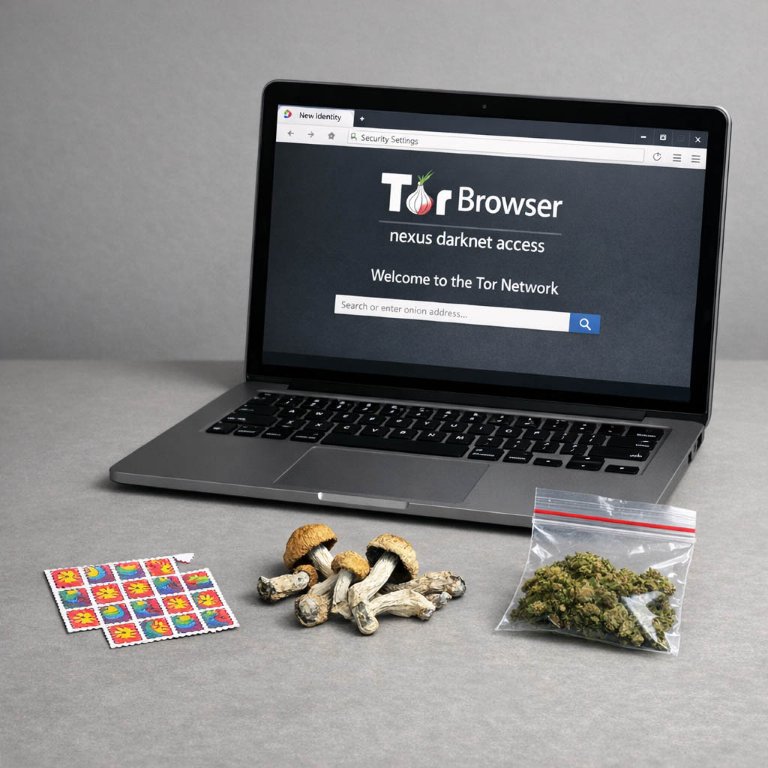
Direct Drug Trade on the Darknet
The traditional financial system, with its reliance on banks and payment processors, acts as a gatekeeper and surveillance mechanism for commerce. Bitcoin's architecture removes these intermediaries entirely, enabling a direct peer-to-peer economic model. This disintermediation is foundational to darknet markets, creating an environment for efficient and censorship-resistant trade.
Transactions occur directly between a buyer and a vendor. The blockchain serves as the settlement layer, replacing the need for a trusted third party to hold or transfer value. This eliminates:
- Account freezes or closures based on the nature of the transaction.
- Lengthy processing delays and international transfer fees.
- The requirement for personal identification, linking a real-world identity to financial activity.
The efficiency gain is substantial. A buyer can send payment from anywhere in the world to a vendor's bitcoin address within minutes, regardless of borders or banking hours. This fluidity mirrors the operational tempo of modern digital marketplaces, where logistics and communication are streamlined, and payment should not be a bottleneck. The market itself provides the platform and escrow services, but the monetary transfer is handled by the decentralized Bitcoin network, not a corporate entity. This separation of functions ensures that the medium of exchange is neutral, secure, and universally accessible, forming the backbone of a functional private commerce system.
How Escrow Makes Darknet Drug Trade Safe and Reliable
The operational backbone of darknet commerce is the marketplace platform, which integrates Bitcoin's financial architecture with sophisticated transaction protocols to mitigate risk. These systems function as autonomous, self-regulating economic spaces where escrow services are fundamental. When a buyer initiates a purchase, their bitcoin payment is held in a multi-signature escrow wallet controlled by the marketplace, not released to the vendor until the buyer confirms satisfactory receipt of the goods.
This mechanism aligns incentives for honest conduct. Vendors are assured of payment for delivered products, while buyers are protected from fraud. The escrow process is automated by the marketplace's software, creating a trustless environment where direct trust between anonymous parties is unnecessary. Disputes are typically resolved through a moderation system where marketplace administrators, acting as arbitrators, review communication and evidence before releasing escrowed funds to the appropriate party.
The integration of user review and rating systems further reinforces market safety and quality. These systems generate a persistent reputation for each vendor, which is recorded on the marketplace and often discussed in related forum communities. A vendor with a long history of positive feedback has a valuable economic asset to protect, making fraudulent behavior economically irrational. This creates a stable commercial environment where:
- High-reputation vendors secure more business and can maintain premium pricing.
- Buyers can make informed decisions based on collective experience.
- Market forces naturally marginalize bad actors through negative feedback and loss of sales.
Consequently, these marketplaces demonstrate a functional peer-to-peer economic model. They facilitate secure, private trade of goods by combining Bitcoin's pseudonymous payments with platform-enforced security features, effectively replacing the trust traditionally provided by financial intermediaries and legal systems with cryptographic and reputational guarantees.

How Reviews and Ratings Make Darknet Trade Reliable
The decentralized nature of darknet markets necessitates alternative trust mechanisms, replacing the regulatory frameworks of traditional commerce. Here, user reviews and vendor ratings form the cornerstone of a functional reputation system. Every transaction finalized with Bitcoin can be accompanied by detailed feedback on product quality, shipping speed, and communication. This creates a transparent and self-regulating economic environment where vendor reputation becomes their most valuable asset.
This system directly incentivizes high standards. Vendors with consistently positive reviews gain higher visibility and customer trust, leading to more sales. The escrow service, typically held in Bitcoin until order completion, ensures that buyers can verify a product's quality before releasing funds. This process effectively minimizes fraud. The collective intelligence of the user base, archived on the immutable blockchain of market forums, provides a reliable source of information for making informed purchasing decisions, fostering a stable and efficient trade ecosystem.
How the Darknet's Economy Works with Bitcoin
The darknet has developed a robust economic system where Bitcoin serves as the primary medium of exchange. This model functions effectively because it addresses core requirements for secure and private commerce that are often unmet by traditional financial systems. The combination of pseudonymous transactions and decentralized marketplaces creates an environment where trade can occur based on mutual interest and verified reputation, free from institutional oversight or geographic restriction.
Bitcoin provides the necessary financial layer for this economy. Its pseudonymous nature allows users to conduct transactions without directly linking their real-world identity to their financial activity. While the blockchain is a public ledger, the identities behind wallet addresses are not inherently known, offering a significant privacy advantage over bank transfers or credit card payments. This enables participants to engage in commerce with reduced fear of personal exposure or financial censorship.
Darknet markets build upon this foundation by implementing structures that foster trust and safety between strangers. These platforms function as intermediaries that facilitate trade without holding user funds directly like a bank. Key mechanisms include:
- Escrow services: Funds are held in escrow by the marketplace until the buyer confirms satisfactory receipt of goods. This protects buyers from fraudulent vendors who would not deliver after payment.
- Vendor rating systems: Buyers leave detailed feedback on product quality and vendor reliability. A vendor's history and average rating become their most valuable capital, incentivizing honest business practices and high-quality products.
- Encrypted communication: All interactions use strong encryption, ensuring that order details and shipping information remain confidential between the trading parties.
The result is a self-regulating marketplace. Economic incentives are aligned to discourage fraud; a vendor with a poor rating will quickly lose business, while a reliable vendor can build a substantial and profitable operation. This feedback-driven model efficiently filters out bad actors and promotes quality and consistency. The entire system demonstrates that a functional, demand-driven economy can operate privately, using Bitcoin for settlement and cryptographic systems for security and verification, outside the boundaries of conventional financial and legal frameworks.